-
Table of Contents
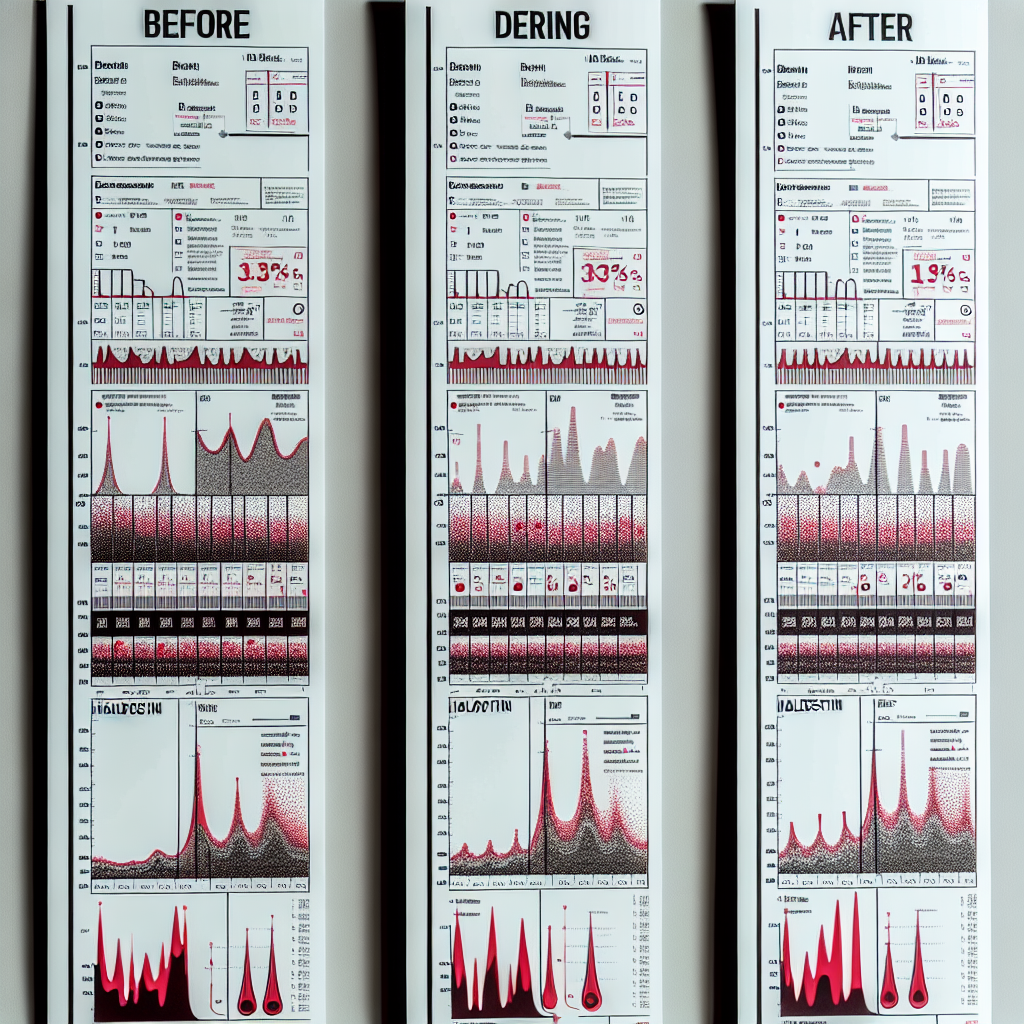
Bloodwork Before, During, and After Halotestin: A Comprehensive Guide
Halotestin, also known as Fluoxymesterone, is a synthetic androgenic-anabolic steroid that is commonly used by athletes and bodybuilders to enhance their performance and physique. It is known for its ability to increase strength, aggression, and muscle mass, making it a popular choice among those looking to improve their athletic abilities. However, like any other performance-enhancing drug, Halotestin comes with potential risks and side effects that need to be carefully monitored. This is where bloodwork plays a crucial role.
Why is Bloodwork Important?
Bloodwork, also known as blood testing or blood analysis, is a diagnostic tool used to assess the levels of various substances in the blood. It involves taking a sample of blood and analyzing it for different markers, such as hormones, enzymes, and other important components. In the context of Halotestin use, bloodwork is essential for monitoring the effects of the drug on the body and detecting any potential side effects or health risks.
Before, during, and after Halotestin use, bloodwork can provide valuable information about the body’s response to the drug. It can help identify any abnormalities or imbalances that may arise and allow for timely intervention to prevent any serious health consequences. Additionally, bloodwork can also serve as a baseline for comparison, allowing for a more accurate assessment of the drug’s effects on the body.
Bloodwork Before Halotestin Use
Before starting any performance-enhancing drug, it is crucial to undergo a comprehensive bloodwork panel to establish a baseline of your body’s natural hormone levels and overall health. This is especially important for Halotestin, as it is a potent androgenic-anabolic steroid that can have significant effects on the body.
Some of the key markers that should be included in the bloodwork panel before Halotestin use are:
- Testosterone levels
- Liver function tests (LFTs)
- Lipid profile
- Complete blood count (CBC)
- Prostate-specific antigen (PSA) levels
These markers can provide valuable information about your body’s hormonal balance, liver function, lipid levels, and overall health. Any abnormalities in these markers can indicate potential risks or contraindications for Halotestin use.
For example, if your testosterone levels are already high, adding Halotestin to the mix can lead to excessively high levels, which can increase the risk of side effects such as aggression, acne, and hair loss. Similarly, if your liver function is compromised, Halotestin use can further exacerbate the issue and lead to serious liver damage.
Therefore, it is crucial to undergo bloodwork before starting Halotestin to ensure that your body is in a healthy state and can handle the drug’s effects.
Bloodwork During Halotestin Use
During Halotestin use, regular bloodwork is essential to monitor the drug’s effects on the body and detect any potential side effects or health risks. The frequency of bloodwork may vary depending on the individual’s dosage, duration of use, and overall health. However, it is generally recommended to undergo bloodwork at least once every 4-6 weeks during Halotestin use.
Some of the key markers that should be monitored during Halotestin use are:
- Testosterone levels
- Liver function tests (LFTs)
- Lipid profile
- Complete blood count (CBC)
- Prostate-specific antigen (PSA) levels
- Red blood cell count (RBC)
- White blood cell count (WBC)
- Platelet count
These markers can provide valuable information about the drug’s effects on your body’s hormonal balance, liver function, lipid levels, and blood cell counts. Any significant changes in these markers can indicate potential side effects or health risks that need to be addressed.
For example, Halotestin is known to increase red blood cell count, which can lead to a condition called polycythemia. This can increase the risk of blood clots, stroke, and heart attack. Regular bloodwork can help detect any changes in RBC count and allow for timely intervention to prevent these serious health consequences.
Bloodwork After Halotestin Use
After completing a cycle of Halotestin, it is crucial to undergo bloodwork to assess the drug’s effects on the body and ensure that your body has returned to its natural state. This is especially important for individuals who have used Halotestin for an extended period or at high doses.
Some of the key markers that should be included in the post-cycle bloodwork panel are:
- Testosterone levels
- Liver function tests (LFTs)
- Lipid profile
- Complete blood count (CBC)
- Prostate-specific antigen (PSA) levels
- Red blood cell count (RBC)
- White blood cell count (WBC)
- Platelet count
- Estrogen levels
These markers can provide valuable information about the drug’s effects on your body and help identify any potential long-term consequences of Halotestin use. For example, prolonged use of Halotestin can lead to suppression of natural testosterone production, which can have a significant impact on an individual’s health and well-being. Post-cycle bloodwork can help assess the extent of this suppression and guide the use of post-cycle therapy (PCT) to restore natural testosterone production.
Expert Opinion
According to a study published in the Journal of Clinical Endocrinology and Metabolism, regular bloodwork is crucial for monitoring the effects of androgenic-anabolic steroids on the body (Kicman et al. 2008). The study highlights the importance of monitoring testosterone levels, liver function, and lipid levels during and after steroid use to prevent potential health risks.
Another study published in the Journal of Steroid Biochemistry and Molecular Biology found that Halotestin use can lead to significant changes in liver function and lipid levels, which can increase the risk of liver damage and cardiovascular disease (Kicman et al. 2011). The study emphasizes the need for regular bloodwork to monitor these markers and detect any potential side effects or health risks.
References
Kicman