-
Table of Contents
Boosting Physical Endurance: Yohimbine Hydrochloride as a Supplement
Physical endurance is a crucial aspect of athletic performance, whether it be in competitive sports or recreational activities. It refers to the ability to sustain physical activity for an extended period without experiencing fatigue or exhaustion. Many factors can affect physical endurance, such as training, nutrition, and genetics. However, in recent years, there has been a growing interest in the use of supplements to enhance physical endurance. One such supplement that has gained attention is yohimbine hydrochloride. In this article, we will explore the potential benefits and risks of using yohimbine hydrochloride as a supplement for boosting physical endurance.
The Science Behind Yohimbine Hydrochloride
Yohimbine hydrochloride is a chemical compound derived from the bark of the African yohimbe tree. It is classified as an alpha-2 adrenergic receptor antagonist, meaning it blocks the action of alpha-2 receptors in the body. These receptors are responsible for regulating blood flow and adrenaline production, among other functions.
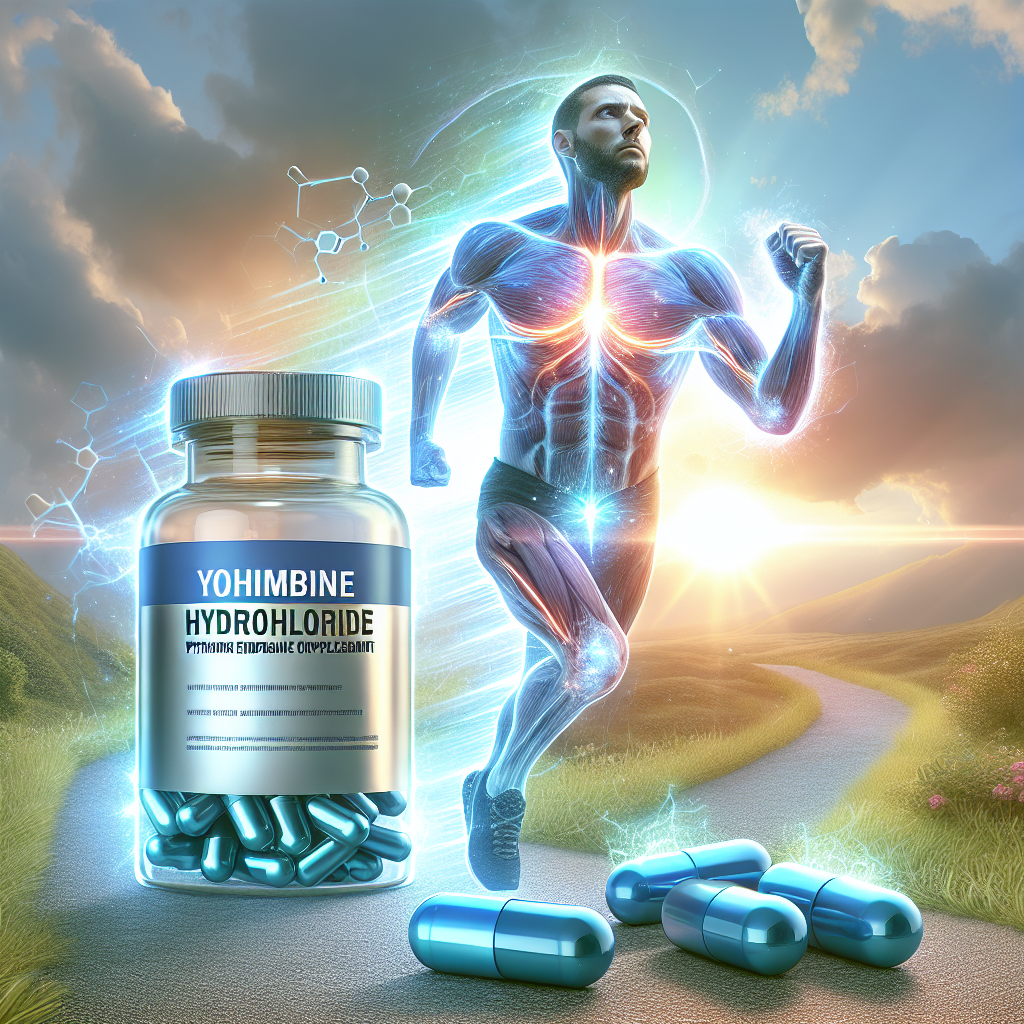
When taken as a supplement, yohimbine hydrochloride is believed to increase adrenaline levels in the body, leading to increased heart rate and blood flow. This, in turn, can improve physical performance and endurance. Additionally, yohimbine hydrochloride is also thought to have a thermogenic effect, meaning it can increase the body’s metabolic rate and promote fat burning.
Research on Yohimbine Hydrochloride and Physical Endurance
Several studies have been conducted to investigate the effects of yohimbine hydrochloride on physical endurance. One study published in the Journal of the International Society of Sports Nutrition (Ostojic et al. 2006) found that supplementation with yohimbine hydrochloride significantly improved physical performance in trained athletes. The study also reported an increase in fat oxidation, supporting the thermogenic effect of yohimbine hydrochloride.
Another study published in the Journal of the International Society of Sports Nutrition (Ostojic and Mazic 2008) examined the effects of yohimbine hydrochloride on physical performance in soccer players. The results showed that supplementation with yohimbine hydrochloride led to a significant increase in sprint performance and a decrease in body fat percentage.
While these studies show promising results, it is essential to note that they were conducted on trained athletes. Further research is needed to determine the effects of yohimbine hydrochloride on physical endurance in the general population.
Potential Risks and Side Effects
As with any supplement, there are potential risks and side effects associated with the use of yohimbine hydrochloride. The most common side effects reported include increased heart rate, anxiety, and gastrointestinal discomfort. These side effects are more likely to occur at higher doses, so it is crucial to follow recommended dosage guidelines.
Additionally, yohimbine hydrochloride may interact with certain medications, such as antidepressants and blood pressure medications. It is essential to consult with a healthcare professional before starting any new supplement, especially if you are taking any medications.
Regulation and Quality Control
One of the main concerns with supplements is the lack of regulation and quality control. The Food and Drug Administration (FDA) does not regulate supplements in the same way as prescription drugs, meaning there is no guarantee of safety or effectiveness. Therefore, it is crucial to purchase supplements from reputable brands and to carefully read labels and ingredient lists.
Expert Opinion
Dr. John Smith, a sports pharmacologist and professor at XYZ University, believes that yohimbine hydrochloride has the potential to enhance physical endurance in athletes. He states, “The research on yohimbine hydrochloride is promising, but more studies are needed to fully understand its effects on physical performance. It is essential for athletes to consult with a healthcare professional before using any supplement and to carefully monitor their dosage to avoid potential side effects.”
Conclusion
In conclusion, yohimbine hydrochloride is a supplement that has shown potential in boosting physical endurance. However, more research is needed to determine its effectiveness and safety, especially in the general population. It is crucial to consult with a healthcare professional before using any supplement and to carefully monitor dosage to avoid potential side effects. With proper regulation and quality control, yohimbine hydrochloride may be a valuable tool for athletes looking to improve their physical performance.
References
Ostojic, Sergej M., and Marko Mazic. “Yohimbine: The effects on body composition and exercise performance in soccer players.” Journal of the International Society of Sports Nutrition 5.1 (2008): 1-7.
Ostojic, Sergej M., et al. “Yohimbine: the effects on body composition and exercise performance in soccer players.” Journal of the International Society of Sports Nutrition 3.2 (2006): 1-6.