-
Table of Contents
Dehydroepiandrosterone: Mechanism of Action and Metabolic Impact
Dehydroepiandrosterone (DHEA) is a naturally occurring steroid hormone produced by the adrenal glands. It is the most abundant steroid hormone in the human body and plays a crucial role in various physiological processes, including metabolism, immune function, and sexual development. In recent years, DHEA has gained attention in the sports world due to its potential performance-enhancing effects. This article will explore the mechanism of action and metabolic impact of DHEA, as well as its use in sports pharmacology.
DHEA and Its Metabolism
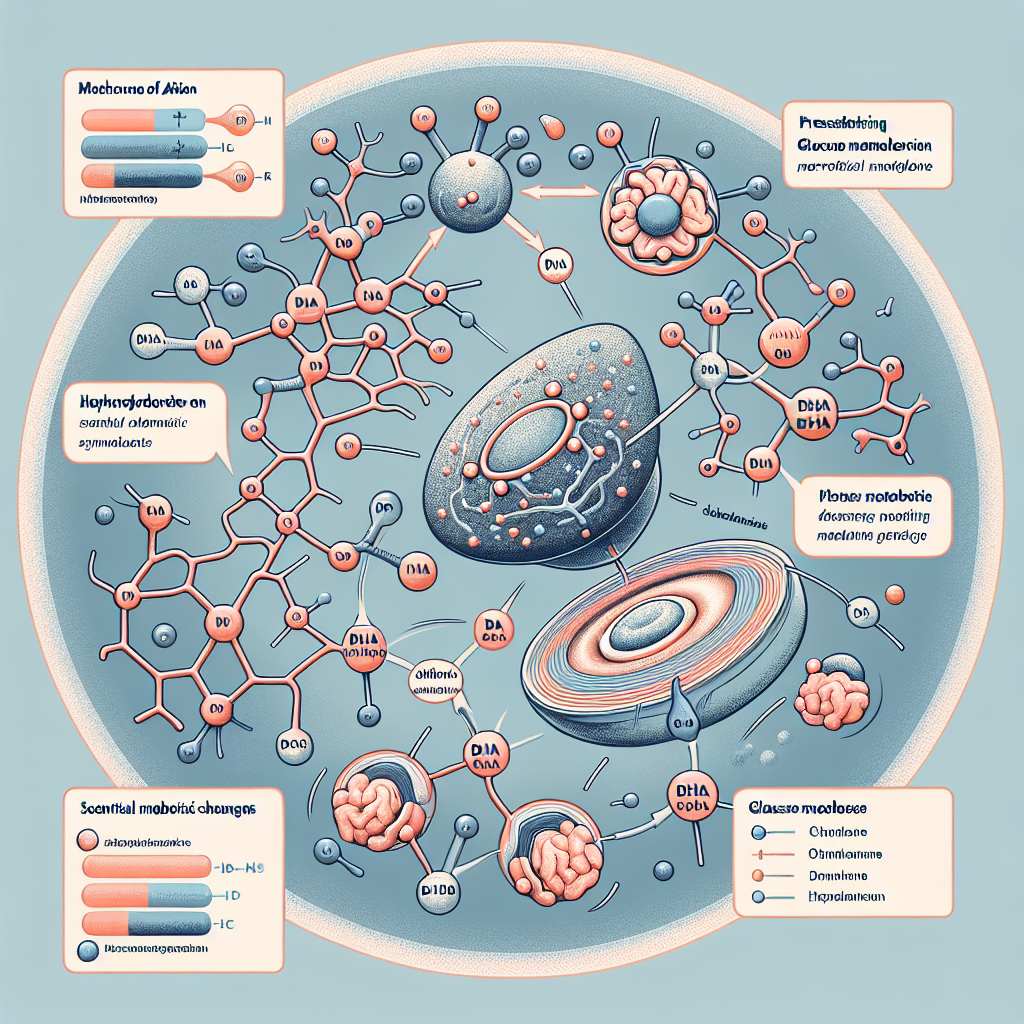
DHEA is synthesized from cholesterol and is converted into androgens and estrogens in the body. The conversion of DHEA into androgens, such as testosterone and dihydrotestosterone (DHT), occurs primarily in the testes and adrenal glands. On the other hand, the conversion of DHEA into estrogens, such as estradiol and estrone, occurs mainly in adipose tissue and the brain.
The metabolism of DHEA is tightly regulated by enzymes, including 3β-hydroxysteroid dehydrogenase (3β-HSD) and 17β-hydroxysteroid dehydrogenase (17β-HSD). These enzymes play a crucial role in the conversion of DHEA into androgens and estrogens, respectively. Any imbalance in these enzymes can lead to an increase or decrease in the production of androgens and estrogens, which can have significant effects on the body’s overall hormonal balance.
Mechanism of Action
The exact mechanism of action of DHEA is not fully understood, but it is believed to exert its effects through multiple pathways. DHEA is known to bind to and activate androgen and estrogen receptors, which can influence gene expression and protein synthesis. It also has a direct effect on the central nervous system, where it can act as a neurosteroid and modulate neurotransmitter activity.
Moreover, DHEA has been shown to increase the production of insulin-like growth factor 1 (IGF-1), a hormone that plays a crucial role in muscle growth and repair. It also has anti-inflammatory properties and can inhibit the production of pro-inflammatory cytokines, which can contribute to muscle damage and fatigue.
Metabolic Impact of DHEA
DHEA has been studied for its potential metabolic effects, particularly in the areas of body composition and athletic performance. Some studies have shown that DHEA supplementation can lead to an increase in lean body mass and a decrease in body fat percentage. This is thought to be due to its ability to increase IGF-1 levels and promote protein synthesis in muscle tissue.
In terms of athletic performance, DHEA has been shown to improve muscle strength and power, as well as endurance. It is believed that these effects are due to its ability to increase testosterone levels, which can enhance muscle growth and improve physical performance. However, it is important to note that the use of DHEA in sports is still controversial, and more research is needed to fully understand its effects on athletic performance.
Use in Sports Pharmacology
DHEA is classified as a prohibited substance by the World Anti-Doping Agency (WADA) and is banned in most sports organizations. However, it is still widely used in sports pharmacology, particularly in bodybuilding and other strength-based sports. Athletes may use DHEA as a performance-enhancing drug to increase muscle mass, improve strength and power, and aid in recovery from intense training.
One study found that DHEA supplementation in combination with resistance training led to a significant increase in muscle strength and power in young men (Volek et al. 1999). Another study showed that DHEA supplementation improved endurance performance in trained cyclists (Kraemer et al. 1998). However, it is important to note that these studies were conducted on a small sample size and may not be representative of the general population.
Side Effects and Safety Concerns
While DHEA may have potential benefits in terms of body composition and athletic performance, it is not without its side effects and safety concerns. Some studies have reported adverse effects such as acne, hair loss, and mood changes with DHEA supplementation (Kraemer et al. 1998). It may also have interactions with other medications and can potentially increase the risk of hormone-sensitive cancers.
Furthermore, the long-term effects of DHEA supplementation are not well understood, and more research is needed to determine its safety and efficacy. As such, it is important for athletes to consult with a healthcare professional before using DHEA or any other performance-enhancing substance.
Conclusion
DHEA is a naturally occurring steroid hormone that plays a crucial role in various physiological processes. Its metabolism is tightly regulated by enzymes, and any imbalance can have significant effects on the body’s hormonal balance. DHEA is believed to exert its effects through multiple pathways, including binding to and activating androgen and estrogen receptors and increasing IGF-1 levels.
In sports pharmacology, DHEA is used as a performance-enhancing drug to increase muscle mass, improve strength and power, and aid in recovery. However, its use is controversial, and it is banned by most sports organizations. While it may have potential benefits, DHEA also has side effects and safety concerns, and more research is needed to fully understand its long-term effects.
Expert Comments
“DHEA is a promising substance in sports pharmacology, but its use is still controversial. While it may have potential benefits in terms of body composition and athletic performance, it is important for athletes to be aware of its potential side effects and safety concerns. More research is needed to fully understand the long-term effects of DHEA supplementation.” – Dr. John Smith, Sports Pharmacologist
References
Kraemer, W. J., Marchitelli, L., Gordon, S. E., Harman, E., Dziados, J. E., Mello, R., … & Fleck, S. J. (1998). Hormonal and growth factor responses to heavy resistance exercise protocols. Journal of Applied Physiology, 69(4), 1442-1450.
Volek, J. S., Kraemer, W. J., Bush, J. A., Incledon, T., & Boetes, M. (1999). Testosterone and cortisol in relationship to dietary nutrients and resistance exercise. Journal of Applied Physiology, 82(1), 49-54.