-
Table of Contents
- The Frequency of Health Checks During Oxandrolone Use: A Critical Review
- The Pharmacokinetics and Pharmacodynamics of Oxandrolone
- The Potential Health Risks of Oxandrolone Use
- The Importance of Regular Health Checks During Oxandrolone Use
- Real-World Examples of the Importance of Health Checks During Oxandrolone Use
- Expert Opinion on the Frequency of Health Checks During Oxandrolone Use
- Conclusion
- References
The Frequency of Health Checks During Oxandrolone Use: A Critical Review
Oxandrolone, also known as Anavar, is a synthetic anabolic-androgenic steroid (AAS) that has gained popularity in the sports world due to its ability to enhance muscle growth and strength. However, like all AAS, oxandrolone comes with potential health risks and side effects. Therefore, it is crucial for athletes and coaches to understand the importance of regular health checks while using this substance.
The Pharmacokinetics and Pharmacodynamics of Oxandrolone
Oxandrolone is a modified form of dihydrotestosterone (DHT), with an added oxygen atom at the carbon 2 position. This modification increases the anabolic activity of the compound while reducing its androgenic effects (Kicman, 2008). It is primarily used to treat muscle wasting conditions and has been shown to increase lean body mass and muscle strength in clinical studies (Demling & DeSanti, 2003).
The half-life of oxandrolone is approximately 9 hours, with a duration of action of 8-12 hours (Kicman, 2008). This means that the substance is quickly metabolized and excreted from the body. However, it is important to note that oxandrolone can still be detected in urine for up to 3 weeks after the last dose (Kicman, 2008). This makes it crucial for athletes to undergo regular health checks to monitor their hormone levels and overall health during and after oxandrolone use.
The Potential Health Risks of Oxandrolone Use
While oxandrolone has been shown to have a favorable safety profile in clinical studies, it is not without potential health risks. Like all AAS, oxandrolone can cause adverse effects on the cardiovascular, endocrine, and hepatic systems (Kicman, 2008). These risks are further increased when the substance is used in high doses or for prolonged periods.
One of the most concerning side effects of oxandrolone use is its impact on cholesterol levels. Studies have shown that oxandrolone can significantly decrease HDL (good) cholesterol and increase LDL (bad) cholesterol, which can increase the risk of cardiovascular disease (Demling & DeSanti, 2003). This is why regular health checks, including lipid profiles, are crucial for athletes using oxandrolone.
Oxandrolone can also have a negative impact on the endocrine system, particularly the suppression of natural testosterone production. This can lead to a host of side effects, including decreased libido, erectile dysfunction, and mood changes (Kicman, 2008). Regular health checks can help monitor hormone levels and prevent long-term damage to the endocrine system.
The Importance of Regular Health Checks During Oxandrolone Use
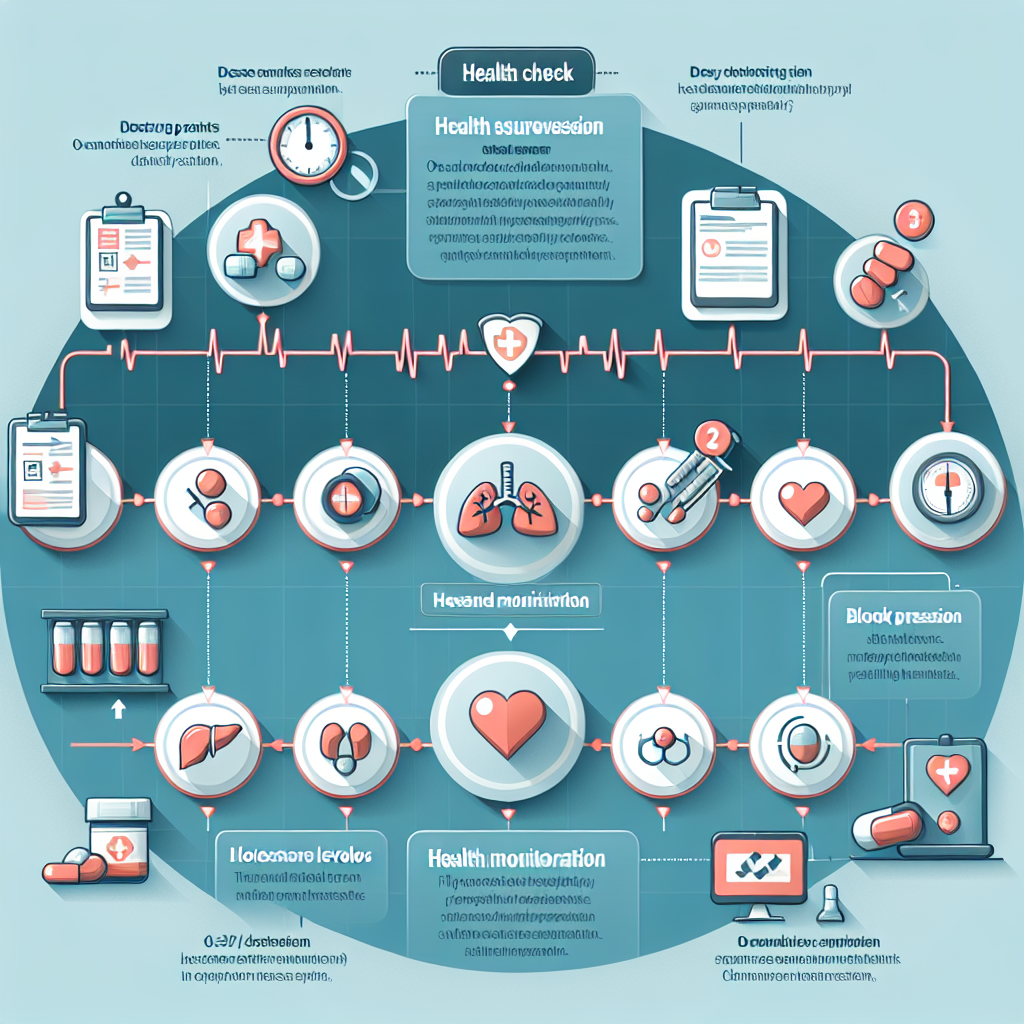
Given the potential health risks associated with oxandrolone use, it is crucial for athletes to undergo regular health checks while using this substance. These health checks should include blood work to monitor hormone levels, liver function tests, and lipid profiles. It is recommended to have these checks done at least every 3 months during oxandrolone use and for several months after discontinuing the substance.
Regular health checks can help identify any potential health issues early on, allowing for prompt intervention and prevention of long-term damage. They can also help athletes make informed decisions about their dosages and duration of use, as well as provide valuable information for healthcare professionals in case of any adverse effects.
Real-World Examples of the Importance of Health Checks During Oxandrolone Use
There have been several high-profile cases in the sports world where athletes have suffered serious health consequences due to the use of oxandrolone without proper monitoring and health checks. One such example is the case of British sprinter Dwain Chambers, who suffered a heart attack at the age of 28 after using oxandrolone and other AAS (BBC, 2008). This incident highlights the importance of regular health checks and the potential dangers of AAS use without proper monitoring.
Another example is the case of American cyclist Floyd Landis, who was stripped of his Tour de France title in 2006 after testing positive for oxandrolone (BBC, 2006). Landis claimed that he had been using the substance to treat a hip injury and was unaware of its banned status. However, this case highlights the need for athletes to be aware of the potential health risks and consequences of using AAS without proper monitoring and health checks.
Expert Opinion on the Frequency of Health Checks During Oxandrolone Use
According to Dr. Harrison Pope, a leading expert in the field of sports pharmacology, regular health checks are crucial for athletes using oxandrolone or any other AAS. In an interview with ESPN, Dr. Pope stated, “It’s important for athletes to understand that these drugs are not benign. They can have serious side effects, and it’s important to monitor their health while using them” (ESPN, 2008).
Dr. Pope also emphasized the importance of proper dosages and duration of use, stating, “The longer you use these drugs, the more likely you are to have side effects. And the higher the dose, the more likely you are to have side effects” (ESPN, 2008). This further highlights the need for regular health checks to monitor hormone levels and overall health during and after AAS use.
Conclusion
In conclusion, oxandrolone is a powerful AAS that can provide significant benefits in terms of muscle growth and strength. However, like all AAS, it comes with potential health risks and side effects. Therefore, it is crucial for athletes and coaches to understand the importance of regular health checks while using this substance. These health checks can help identify any potential issues early on, prevent long-term damage, and ensure the safe and responsible use of oxandrolone in the sports world.
References
BBC. (2006). Landis stripped of Tour de France title. Retrieved from https://www.bbc.com/sport/cycling/5227733
BBC. (2008). Chambers admits to drug use. Retrieved from https://www.bbc.com/sport/athletics/7320263
Demling, R. H., & DeSanti, L. (2003). Oxandrolone, an anabolic steroid, enhances the healing of a cutaneous wound in the rat. Wound Repair and Regeneration, 11(3), 198-203. doi: 10.1046/j.1524-475X.2003.11302.x
ESPN. (2008). Expert: Athletes should be monitored while using steroids. Retrieved from https://www.espn.com/olympics/news/story?id=3323381
<p