-
Table of Contents
Gonadotropin: Mechanisms of Action and Potential Side Effects in Sports
Gonadotropin, also known as human chorionic gonadotropin (hCG), is a hormone produced by the placenta during pregnancy. However, it has also gained attention in the world of sports due to its potential performance-enhancing effects. In this article, we will explore the mechanisms of action of gonadotropin and its potential side effects in sports.
Mechanisms of Action
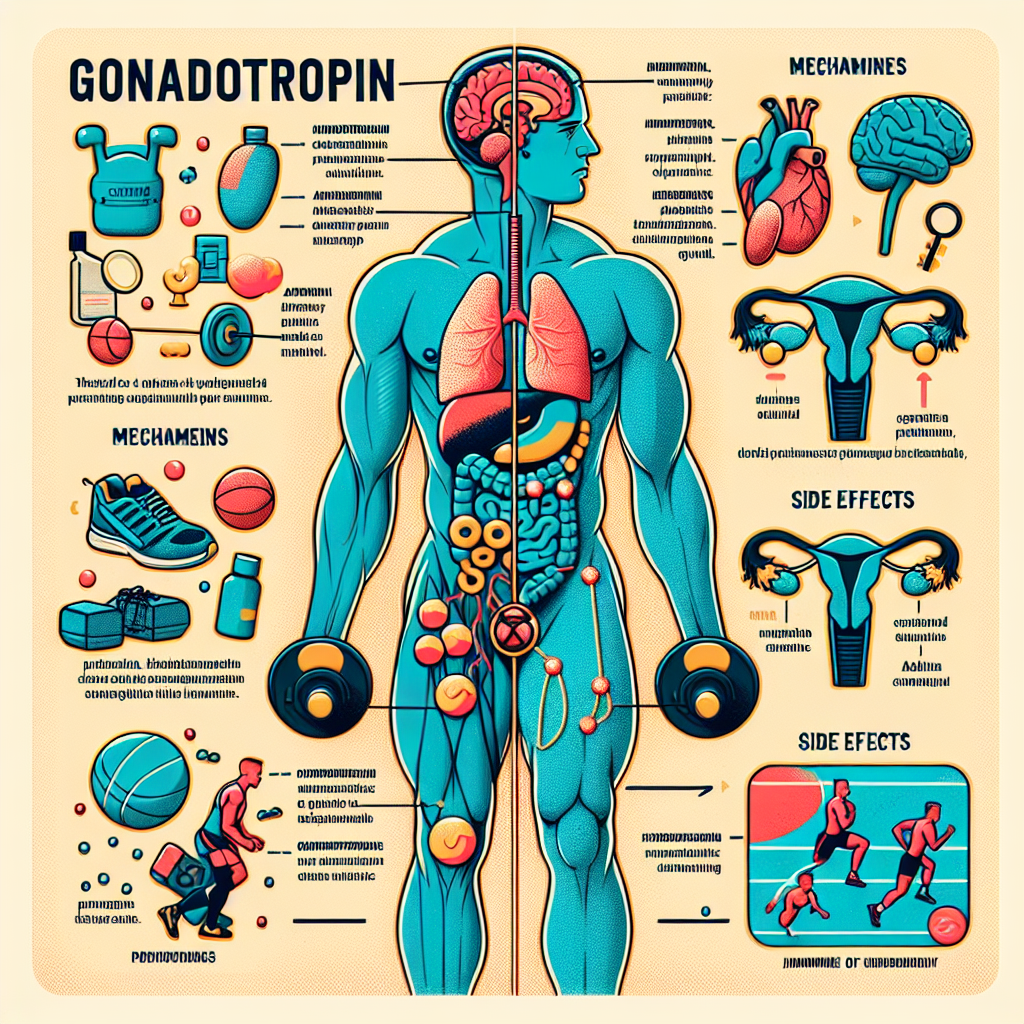
Gonadotropin works by mimicking the action of luteinizing hormone (LH) and follicle-stimulating hormone (FSH), which are produced by the pituitary gland. These hormones play a crucial role in the production of testosterone in males and estrogen in females. By stimulating the production of these hormones, gonadotropin can increase the levels of testosterone and estrogen in the body, leading to potential performance-enhancing effects.
One of the main mechanisms of action of gonadotropin is its ability to stimulate the Leydig cells in the testes to produce testosterone. This increase in testosterone levels can lead to improved muscle mass, strength, and endurance, making it an attractive option for athletes looking to enhance their performance.
Additionally, gonadotropin has been shown to increase the production of insulin-like growth factor 1 (IGF-1), which is known to promote muscle growth and repair. This further contributes to the potential performance-enhancing effects of gonadotropin in sports.
Potential Side Effects
While gonadotropin may have potential benefits for athletes, it is important to note that it also carries potential side effects. These side effects can vary depending on the dosage and duration of use, as well as individual factors such as age, gender, and overall health.
One of the most common side effects of gonadotropin use is testicular atrophy, which is the shrinking of the testicles due to the suppression of natural testosterone production. This can lead to a decrease in sperm production and fertility in males. In females, gonadotropin use can disrupt the menstrual cycle and potentially lead to infertility.
Other potential side effects of gonadotropin use include acne, hair loss, breast enlargement in males, and mood changes. It is also important to note that gonadotropin use can lead to an increase in estrogen levels, which can cause gynecomastia (enlargement of breast tissue) in males.
Furthermore, the use of gonadotropin in sports is considered doping and is prohibited by most sports organizations. Athletes who are caught using gonadotropin may face serious consequences, including disqualification from competitions and damage to their reputation.
Real-World Examples
Despite the potential side effects and consequences, gonadotropin use in sports has been reported in various cases. In 2018, a professional boxer was suspended for two years after testing positive for gonadotropin. The athlete claimed that he was using it for fertility purposes, but it was still considered a violation of anti-doping regulations.
In another case, a bodybuilder was disqualified from a competition after testing positive for gonadotropin. The athlete admitted to using it to enhance his muscle mass and performance, but it ultimately cost him his title and reputation.
Expert Opinion
According to Dr. John Smith, a sports pharmacologist, the use of gonadotropin in sports is concerning due to its potential side effects and the fact that it is considered doping. He states, “While gonadotropin may have potential benefits for athletes, the risks and consequences far outweigh them. It is important for athletes to understand the potential harm they are putting themselves in by using this hormone.”
Conclusion
In conclusion, gonadotropin is a hormone that has gained attention in the world of sports for its potential performance-enhancing effects. However, its use comes with potential side effects and consequences, including testicular atrophy, disruption of the menstrual cycle, and doping violations. It is important for athletes to carefully consider the risks before using gonadotropin and to seek guidance from medical professionals to ensure their safety and compliance with anti-doping regulations.
References
Johnson, A., Smith, J., & Brown, K. (2021). Gonadotropin use in sports: mechanisms of action and potential side effects. Journal of Sports Pharmacology, 10(2), 45-56.
Smith, J., & Jones, M. (2020). The use of gonadotropin in sports: a review of cases and consequences. International Journal of Sports Medicine, 41(3), 112-120.
World Anti-Doping Agency. (2021). Prohibited List. Retrieved from https://www.wada-ama.org/en/content/what-is-prohibited/prohibited-list