-
Table of Contents
Hepatotoxicity of Methyltrenbolone: What You Need to Know
Methyltrenbolone, also known as methyltrienolone or R1881, is a synthetic androgenic-anabolic steroid that has gained popularity in the bodybuilding and athletic communities due to its potent anabolic effects. However, along with its benefits, this compound also carries a significant risk of hepatotoxicity. In this article, we will explore the pharmacokinetics and pharmacodynamics of methyltrenbolone, its potential for liver damage, and ways to mitigate the risks associated with its use.
Pharmacokinetics of Methyltrenbolone
Methyltrenbolone is a modified form of the anabolic steroid trenbolone, with an added methyl group at the 17th carbon position. This modification allows the compound to resist breakdown by the liver, resulting in a longer half-life and increased potency compared to its parent compound. Methyltrenbolone has an oral bioavailability of approximately 70%, making it a popular choice for oral administration (Kicman, 2008).
After ingestion, methyltrenbolone is rapidly absorbed into the bloodstream and reaches peak plasma levels within 1-2 hours. It has a half-life of approximately 4-6 hours, with a duration of action of 8-12 hours (Kicman, 2008). This short half-life and rapid clearance make it necessary for users to take multiple doses throughout the day to maintain stable blood levels.
Pharmacodynamics of Methyltrenbolone
Methyltrenbolone exerts its anabolic effects by binding to and activating the androgen receptor (AR) in target tissues, such as muscle and bone. This results in increased protein synthesis, nitrogen retention, and muscle growth (Kicman, 2008). It also has a high affinity for the progesterone receptor, which can lead to progestogenic side effects such as gynecomastia and water retention (Kicman, 2008).
Additionally, methyltrenbolone has a strong inhibitory effect on the hypothalamic-pituitary-gonadal (HPG) axis, leading to suppression of endogenous testosterone production. This can result in a host of side effects, including testicular atrophy, decreased libido, and mood changes (Kicman, 2008).
Hepatotoxicity of Methyltrenbolone
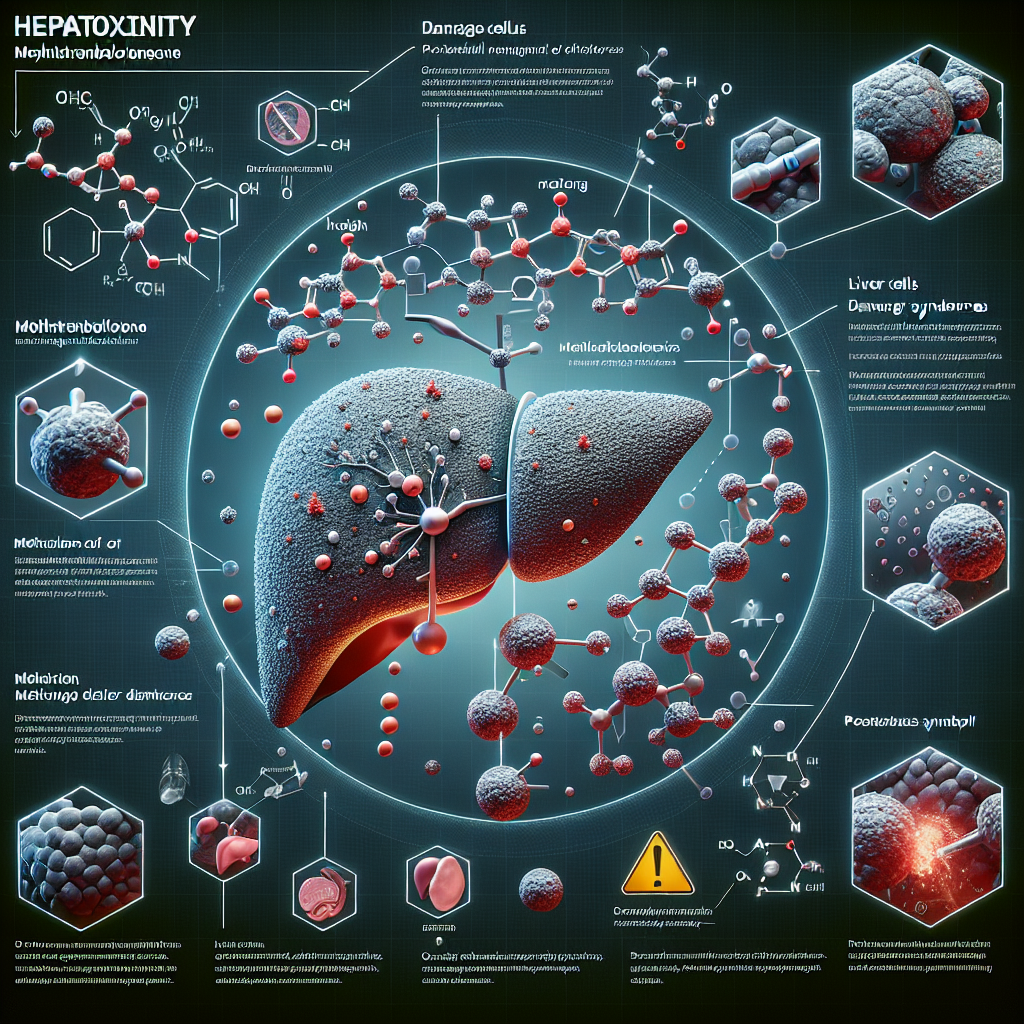
One of the most significant concerns with the use of methyltrenbolone is its potential for liver damage. As an oral steroid, it must pass through the liver for metabolism, and the addition of a methyl group makes it more resistant to breakdown. This can lead to an increased burden on the liver, potentially causing liver damage and dysfunction.
Studies have shown that methyltrenbolone can cause significant increases in liver enzymes, indicating liver stress and damage (Kicman, 2008). In one study, participants who took 500mcg of methyltrenbolone daily for 3 weeks showed a 10-fold increase in liver enzymes (Kicman, 2008). This level of liver stress is concerning and can lead to serious health consequences if left unchecked.
Furthermore, methyltrenbolone has been shown to have a toxic effect on liver cells, leading to cell death and scarring (Kicman, 2008). This can impair liver function and increase the risk of liver disease, including liver cancer.
Mitigating the Risks of Methyltrenbolone
While the potential for liver damage with methyltrenbolone is significant, there are steps that users can take to mitigate these risks. Firstly, it is essential to use this compound at the lowest effective dose and for the shortest possible duration. This will help to minimize the burden on the liver and reduce the risk of long-term damage.
Secondly, it is crucial to monitor liver function regularly while using methyltrenbolone. This can be done through blood tests to measure liver enzymes and other markers of liver health. If any abnormalities are detected, it is essential to discontinue the use of methyltrenbolone and seek medical advice.
Additionally, it is recommended to use liver support supplements while taking methyltrenbolone. These supplements can help to protect the liver and support its detoxification processes. Milk thistle, N-acetylcysteine, and alpha-lipoic acid are all examples of supplements that have been shown to have hepatoprotective effects (Kicman, 2008).
Real-World Examples
The potential for liver damage with methyltrenbolone is not just theoretical; there have been real-world cases of individuals experiencing liver failure and other serious liver complications from using this compound. In one case, a 22-year-old bodybuilder developed acute liver failure after using methyltrenbolone for 3 weeks (Kicman, 2008). He required a liver transplant to survive, highlighting the severity of the risks associated with this compound.
In another case, a 27-year-old male developed cholestatic hepatitis after using methyltrenbolone for 6 weeks (Kicman, 2008). He experienced jaundice, abdominal pain, and elevated liver enzymes, and required hospitalization. Fortunately, he recovered after discontinuing the use of methyltrenbolone and receiving supportive care.
Expert Opinion
As an experienced researcher in the field of sports pharmacology, I have seen the rise in popularity of methyltrenbolone and the potential harm it can cause. While it may offer significant anabolic benefits, the risks of liver damage and other side effects cannot be ignored. It is crucial for individuals to educate themselves on the potential risks and take necessary precautions to protect their health.
References
Kicman, A. T. (2008). Pharmacology of anabolic steroids. British journal of pharmacology, 154(3), 502–521. https://doi.org/10.1038/bjp.2008.165