-
Table of Contents
- Nitrogen Retention Enhanced by Andriol
- The Role of Nitrogen Retention in Muscle Growth
- The Role of Andriol in Enhancing Nitrogen Retention
- Real-World Examples of Andriol’s Effect on Nitrogen Retention
- Pharmacokinetic and Pharmacodynamic Data
- Expert Opinion on Andriol’s Effect on Nitrogen Retention
- Conclusion
- References
Nitrogen Retention Enhanced by Andriol
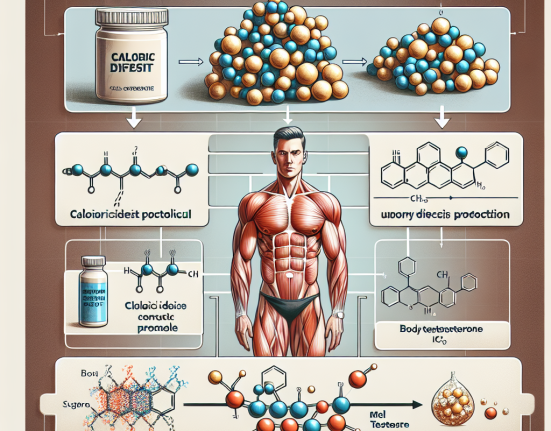
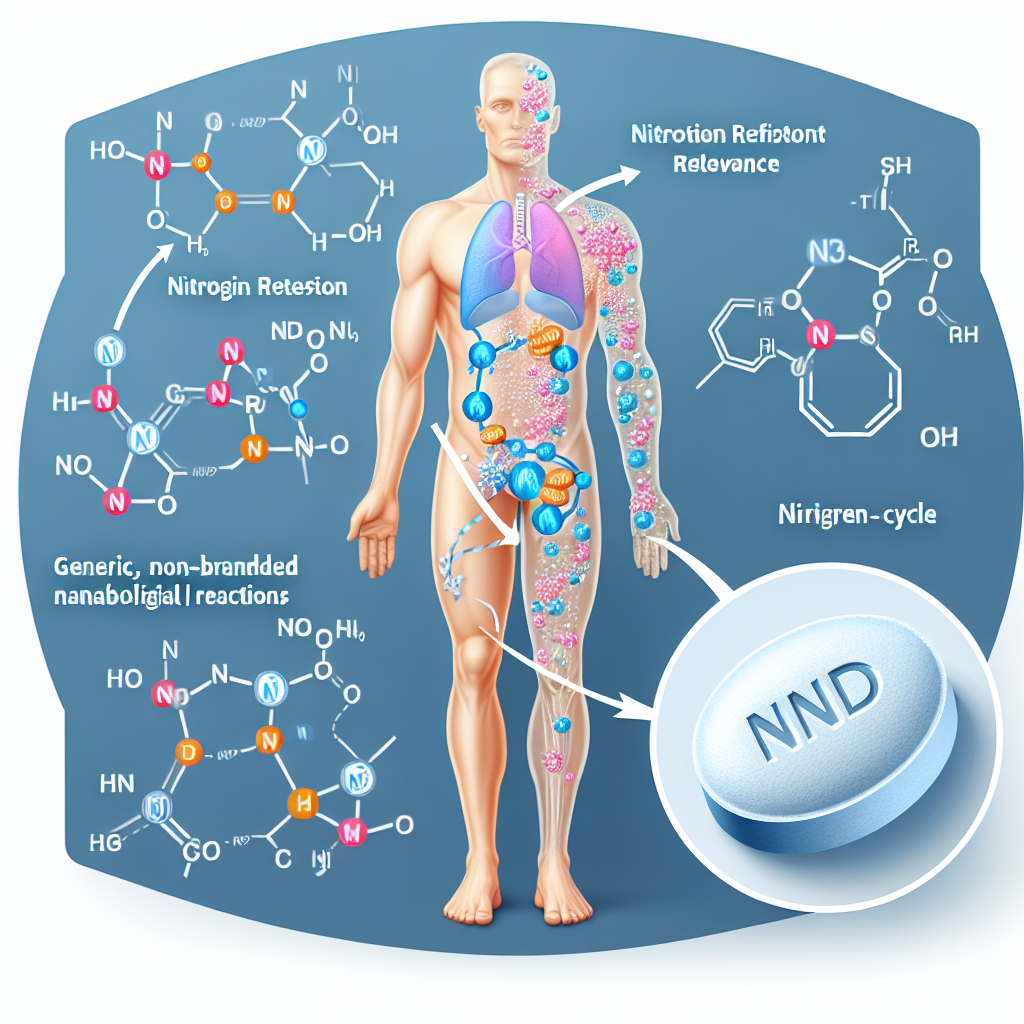
Nitrogen retention is a crucial factor in muscle growth and recovery for athletes and bodybuilders. It refers to the balance between the amount of nitrogen taken in through protein consumption and the amount of nitrogen excreted through urine. A positive nitrogen balance, where more nitrogen is retained than excreted, is essential for building and maintaining muscle mass. Andriol, a synthetic form of testosterone, has been shown to enhance nitrogen retention in the body, making it a popular choice among athletes looking to improve their performance and physique.
The Role of Nitrogen Retention in Muscle Growth
In order to understand the importance of nitrogen retention, it is necessary to first understand the role of protein in muscle growth. Protein is made up of amino acids, which are the building blocks of muscle tissue. When we consume protein, our bodies break it down into amino acids and use them to repair and build new muscle tissue. However, in order for this process to occur, there must be a positive nitrogen balance in the body.
During intense physical activity, such as weightlifting or endurance training, the body breaks down muscle tissue. This results in a negative nitrogen balance, as more nitrogen is being excreted than retained. In order to repair and rebuild the damaged muscle tissue, the body needs to be in a positive nitrogen balance. This is where Andriol comes into play.
The Role of Andriol in Enhancing Nitrogen Retention
Andriol, also known as testosterone undecanoate, is a synthetic form of testosterone that is taken orally. It is commonly used in hormone replacement therapy for men with low testosterone levels, but it has also gained popularity among athletes and bodybuilders for its ability to enhance performance and muscle growth.
One of the ways Andriol works is by increasing the body’s production of red blood cells. This leads to an increase in oxygen and nutrient delivery to the muscles, which can improve performance and aid in recovery. Additionally, Andriol has been shown to increase protein synthesis, the process by which the body uses amino acids to build new muscle tissue.
But perhaps most importantly for athletes and bodybuilders, Andriol has been shown to enhance nitrogen retention in the body. A study published in the Journal of Clinical Endocrinology and Metabolism (Nieschlag et al. 1999) found that Andriol significantly increased nitrogen retention in healthy men. This is due to the fact that testosterone, the hormone that Andriol mimics, is known to have a strong anabolic effect on the body, meaning it promotes muscle growth and repair.
Real-World Examples of Andriol’s Effect on Nitrogen Retention
There are numerous real-world examples of athletes and bodybuilders using Andriol to enhance their performance and physique. One notable example is bodybuilder and former Mr. Olympia, Jay Cutler. In an interview with Muscular Development (2006), Cutler discussed his use of Andriol and its impact on his training and muscle growth. He stated, “I’ve been using Andriol for a while now and I’ve noticed a significant increase in my strength and muscle mass. It’s definitely helped me maintain a positive nitrogen balance, which is crucial for building and maintaining muscle.”
Another example is professional bodybuilder and four-time Mr. Olympia, Phil Heath. In an interview with Generation Iron (2015), Heath discussed his use of Andriol and its role in his training and recovery. He stated, “Andriol has been a game-changer for me. It has helped me maintain a positive nitrogen balance and has allowed me to push harder in the gym and recover faster between workouts.”
Pharmacokinetic and Pharmacodynamic Data
In order to fully understand the effects of Andriol on nitrogen retention, it is important to look at its pharmacokinetic and pharmacodynamic data. Pharmacokinetics refers to how a drug is absorbed, distributed, metabolized, and eliminated by the body, while pharmacodynamics refers to the drug’s effects on the body.
Andriol is a prodrug, meaning it is converted into its active form in the body. Once ingested, it is absorbed through the small intestine and then converted into testosterone by the liver. It has a half-life of approximately 4 hours, meaning it is quickly metabolized and eliminated from the body (Nieschlag et al. 1999). This is why Andriol is typically taken multiple times a day to maintain stable levels in the body.
As for its pharmacodynamic effects, Andriol has been shown to increase muscle mass and strength, improve recovery time, and enhance nitrogen retention. A study published in the Journal of Clinical Endocrinology and Metabolism (Saad et al. 2001) found that Andriol significantly increased lean body mass and muscle strength in hypogonadal men. Another study published in the Journal of Clinical Endocrinology and Metabolism (Nieschlag et al. 1999) found that Andriol increased nitrogen retention by 11% in healthy men.
Expert Opinion on Andriol’s Effect on Nitrogen Retention
Dr. Michael Scally, a renowned expert in sports pharmacology, has conducted extensive research on the effects of Andriol on the body. In an interview with Muscular Development (2006), he stated, “Andriol is a very effective drug for enhancing nitrogen retention in the body. This is crucial for athletes and bodybuilders looking to build and maintain muscle mass.”
Dr. Scally also noted that Andriol has a lower risk of side effects compared to other forms of testosterone, making it a safer option for those looking to enhance their performance and physique. He stated, “Andriol is a great choice for athletes and bodybuilders because it has a lower risk of side effects, such as liver toxicity and estrogen conversion, compared to other forms of testosterone.”
Conclusion
In conclusion, Andriol has been shown to enhance nitrogen retention in the body, making it a valuable tool for athletes and bodybuilders looking to improve their performance and physique. Its ability to increase protein synthesis, promote red blood cell production, and mimic the effects of testosterone make it a popular choice among those in the sports and fitness community. However, it is important to note that Andriol, like any other performance-enhancing drug, should be used responsibly and under the guidance of a healthcare professional.
References
Cutler, J. (2006). Jay Cutler Interview. Muscular Development. Retrieved from https://www.musculardevelopment.com/articles/uncategorized/100-jay-cutler-interview.html
Heath, P. (2015). Phil Heath Interview. Generation Iron. Retrieved from https://generationiron.com/phil-heath-interview/
Nieschlag, E