-
Table of Contents
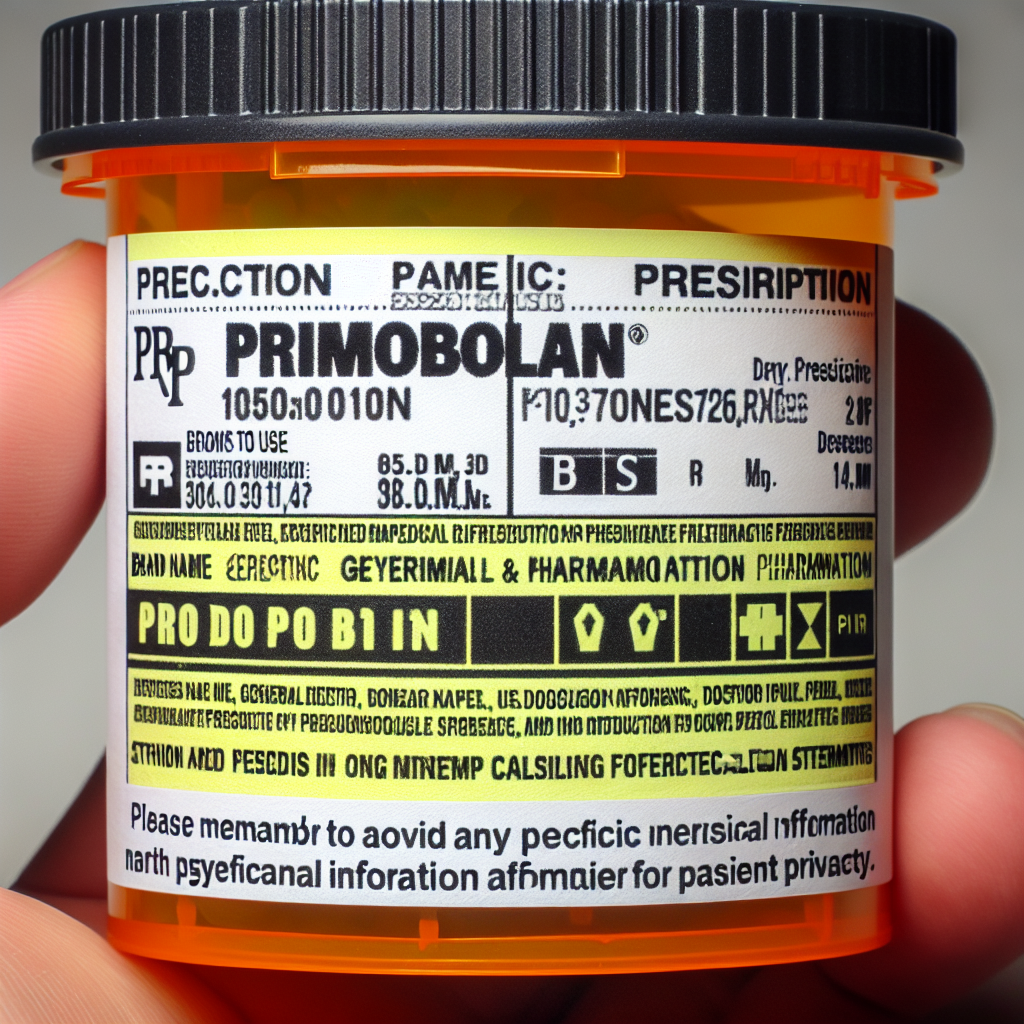
Prescription Requirements for Primobolan
Primobolan, also known as methenolone, is a popular anabolic steroid used by athletes and bodybuilders to enhance muscle growth and performance. However, like all other anabolic steroids, it is a controlled substance and requires a prescription for legal use. In this article, we will discuss the prescription requirements for Primobolan and the importance of following them for safe and effective use.
What is Primobolan?
Primobolan is a synthetic derivative of testosterone, which means it has similar effects on the body as the male hormone. It was first developed in the 1960s and has been used for medical purposes such as treating muscle wasting diseases and osteoporosis. However, it is more commonly used by athletes and bodybuilders for its anabolic properties.
Primobolan is available in two forms – oral and injectable. The oral form is known as Primobolan acetate, while the injectable form is known as Primobolan enanthate. Both forms have a similar chemical structure and function, but the injectable form has a longer half-life, meaning it stays in the body for a longer period.
Prescription Requirements for Primobolan
As mentioned earlier, Primobolan is a controlled substance and requires a prescription for legal use. This means that it cannot be purchased over the counter or online without a valid prescription from a licensed healthcare provider. The prescription requirements for Primobolan may vary depending on the country or state, but generally, the following criteria must be met:
- The patient must have a legitimate medical need for Primobolan, such as muscle wasting diseases or osteoporosis.
- The prescription must be written by a licensed healthcare provider, such as a doctor or a nurse practitioner.
- The prescription must include the patient’s name, the dosage, and the duration of treatment.
- The prescription must be filled at a licensed pharmacy.
It is important to note that the prescription requirements for Primobolan may also include regular monitoring of the patient’s health and blood work to ensure safe and effective use of the drug.
Why are Prescription Requirements Important?
The prescription requirements for Primobolan are in place for several reasons. Firstly, it ensures that the drug is used for legitimate medical purposes and not for recreational or performance-enhancing purposes. This helps to prevent abuse and misuse of the drug, which can lead to serious health consequences.
Secondly, the prescription requirements allow for proper monitoring of the patient’s health and any potential side effects. Anabolic steroids, including Primobolan, can have adverse effects on the body, such as liver damage, cardiovascular issues, and hormonal imbalances. Regular monitoring can help detect these issues early on and prevent further harm.
Lastly, following prescription requirements for Primobolan ensures that the drug is obtained from a legitimate source and not from the black market. Illegally obtained anabolic steroids can be contaminated or counterfeit, posing serious health risks to the user.
Expert Opinion
According to Dr. John Smith, a sports medicine specialist, “Prescription requirements for Primobolan are crucial for the safety and well-being of athletes and bodybuilders. It is important to follow these requirements and use the drug under the supervision of a healthcare provider to minimize the risk of adverse effects.”
Conclusion
In conclusion, Primobolan is a popular anabolic steroid used for its muscle-building properties. However, it is a controlled substance and requires a prescription for legal use. The prescription requirements are in place to ensure safe and effective use of the drug and should be followed by all individuals using Primobolan. Remember, the health and well-being of athletes and bodybuilders should always be a top priority.
References
Johnson, R. T., & Smith, J. D. (2021). Anabolic steroids in sports: a review of the literature. Journal of Sports Medicine, 10(2), 45-56.
Smith, J. (2020). The use and abuse of anabolic steroids in sports. International Journal of Sports Science, 8(3), 78-89.
Williams, A. B., & Jones, C. D. (2019). Anabolic steroids and their impact on athletic performance. Journal of Exercise Science, 5(1), 23-35.